Dec 02, 2021
Powered Methods Used to Drill a Water Well
To drill a water well, need a machine name: drill rig. Use machine power instead of human power. Can drill larger diameter boreholes much deeper and faster. The speed and depth that can be reached.
The objective in choosing a method to drill a water well is to use the least expensive method that can be successful given the type of material that must be drilled through and the depth that must be drilled to reach an acceptable source of groundwater. The method used to drill a water well must match the geology.
How to Drill a Water Well
1. Mud Rotary
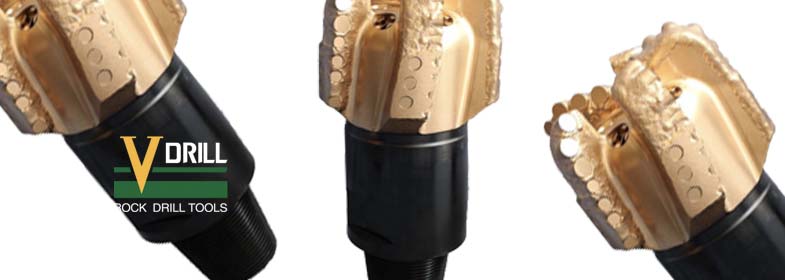
This method used to drill a water well starts with the basic concept of well jetting described above. Add a larger cutting bit, lengths of steel drill pipe with threaded joints, a motor to turn and lift the drill pipe, and a sturdy mast to support the pipe and you have the elements of a mud rotary drill rig. A further refinement is mixing bentonite clay or other materials in the water to improve its ability to lift cuttings out of the hole; this fluid is called ''drilling mud'' or just ''mud.''
There are many kinds of mud rotary drill rigs used to drill a water well. They fall into two basic categories; table drive, where the drill pipe is turned by a rotating mechanism near the base of the rig, and top-head drive, where the drill pipe is turned by a motor attached to the upper end of the pipe.
In both types, the upper end of the drill pipe is attached to a lifting mechanism that raises and lowers it along the mast. Both types of mud rotary rigs also have a swivel attached to the upper end of the drill pipe that allows drilling mud to be pumped down the drill pipe while the pipe is rotating. The larger the rig, the faster and deeper it can drill.
Advantages:
Because the borehole is kept open by the pressure of the drilling mud, it is not necessary to use a drive casing as with cable tool drilling.
Disadvantages:
Drilling through rock requires a great amount of weight on the drill bit so only the larger mud rotary rigs can effectively drill in rock.
Most mud rotary rigs have a motor to rotate and lift the drill pipe and a motor to operate the mud pump.
2. Air Rotary
An air rotary drill rig is similar to a mud rotary rig; table drive and top-head drive are the two basic options for rotating the drill pipe. The principal difference is an air rotary rig uses compressed air to remove cuttings rather than drilling mud.
A type of ''foam'' can be added to the air stream to improve cuttings removal and provide some borehole stability. An air rotary rig can use the same type of drill bits as a mud rig, but it can also drill with a down-the-hole hammer.
This type of bit uses compressed air to break up rock and it can drill very fast. A large air rotary rig can drill a borehole 60 cm in diameter to 500 meters or more.
Advantages:
Because there is no drilling mud to mix or settling pits to dig, an air rotary rig can be set up very quickly. An air rotary rig also drills much faster than any other rig of comparable size.
Disadvantages:
An air rotary drill rig requires a very large air compressor, especially if a down-hole hammer is used. This adds significantly to the cost of the rig, its maintenance needs, and its fuel use.
A large air rotary rig will consume 40-60 liters per hour of fuel, making it one of the most expensive types of the drill rig to operate. Large air rotary rigs also require support vehicles.